

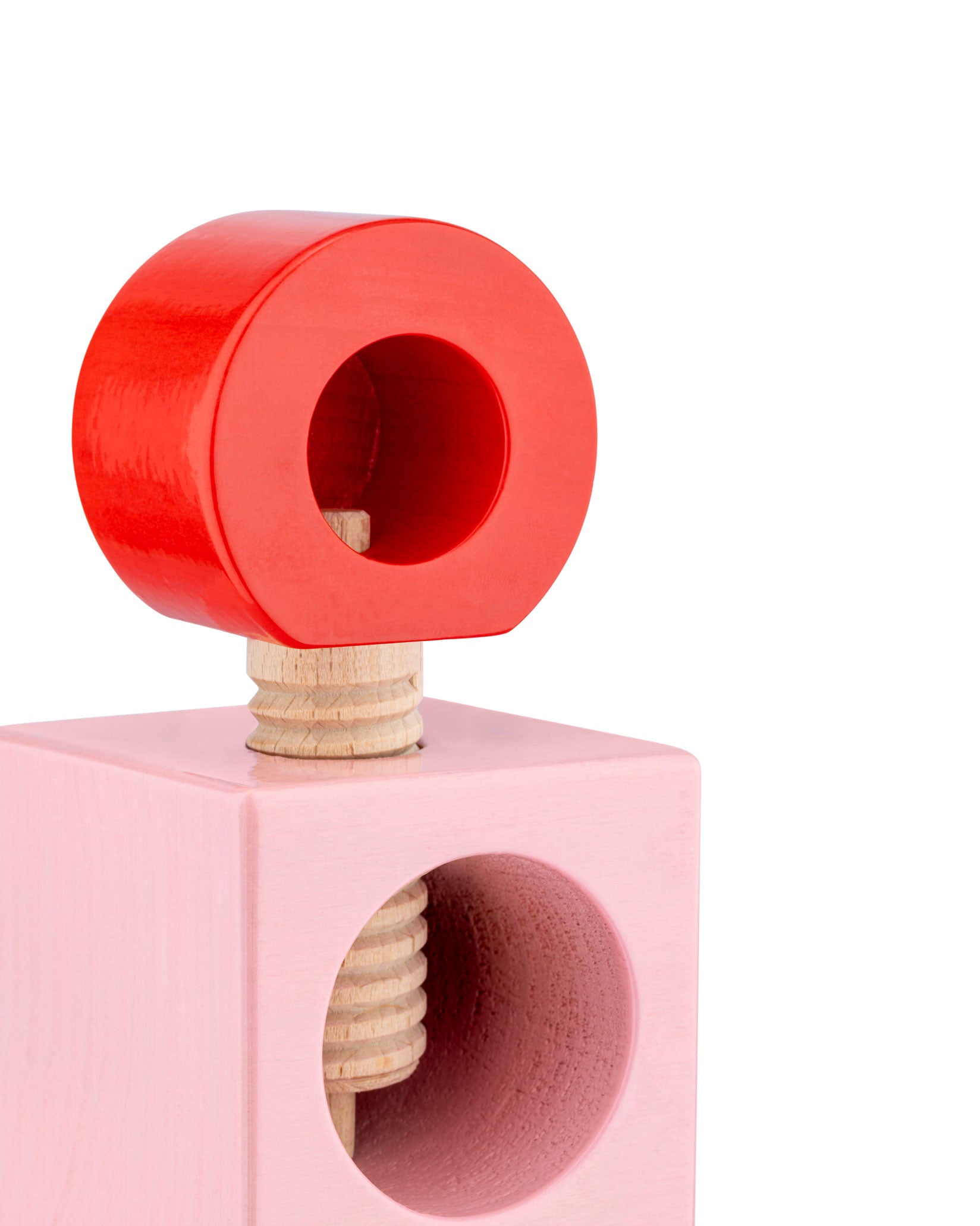
ES20
CHF 70.00
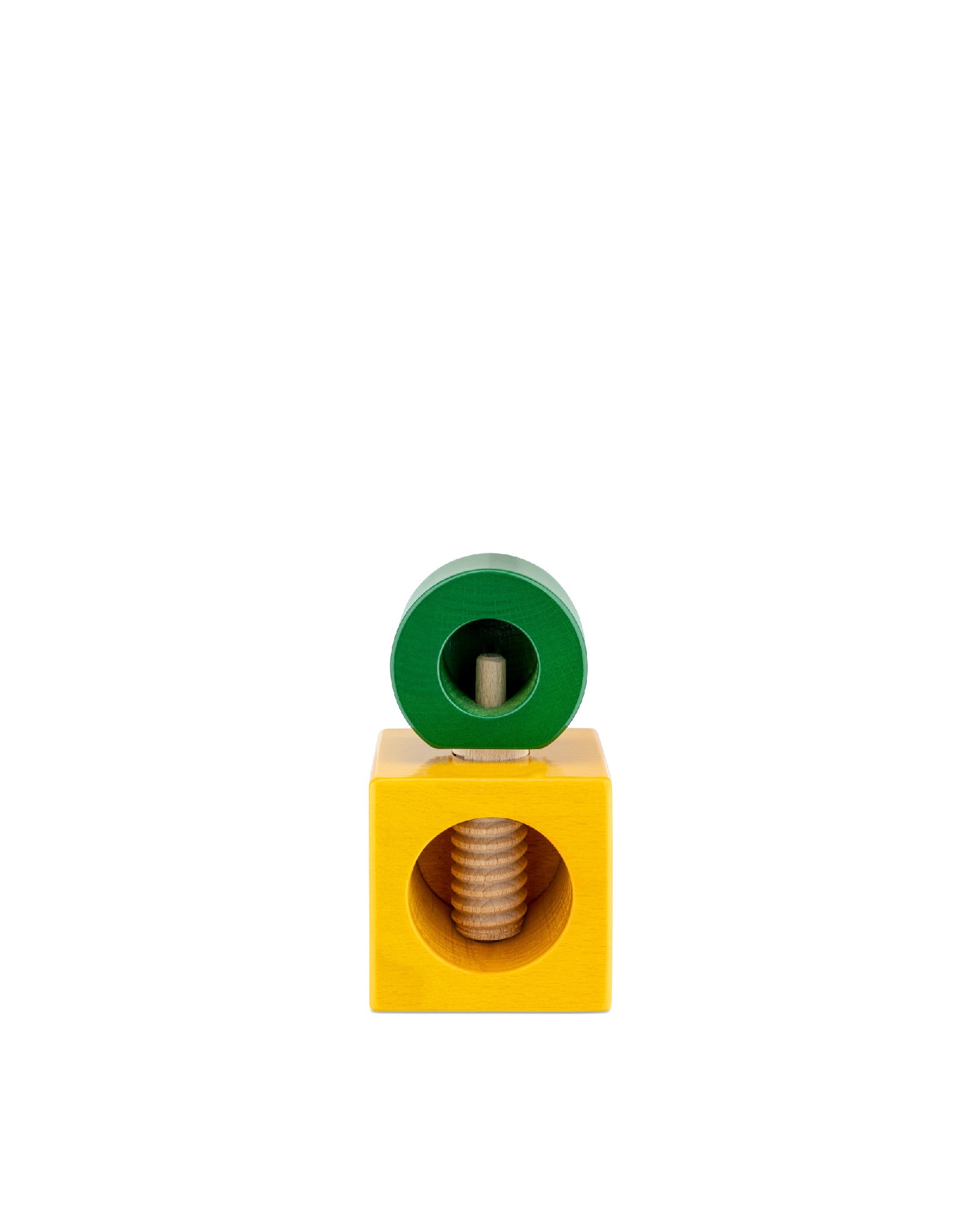
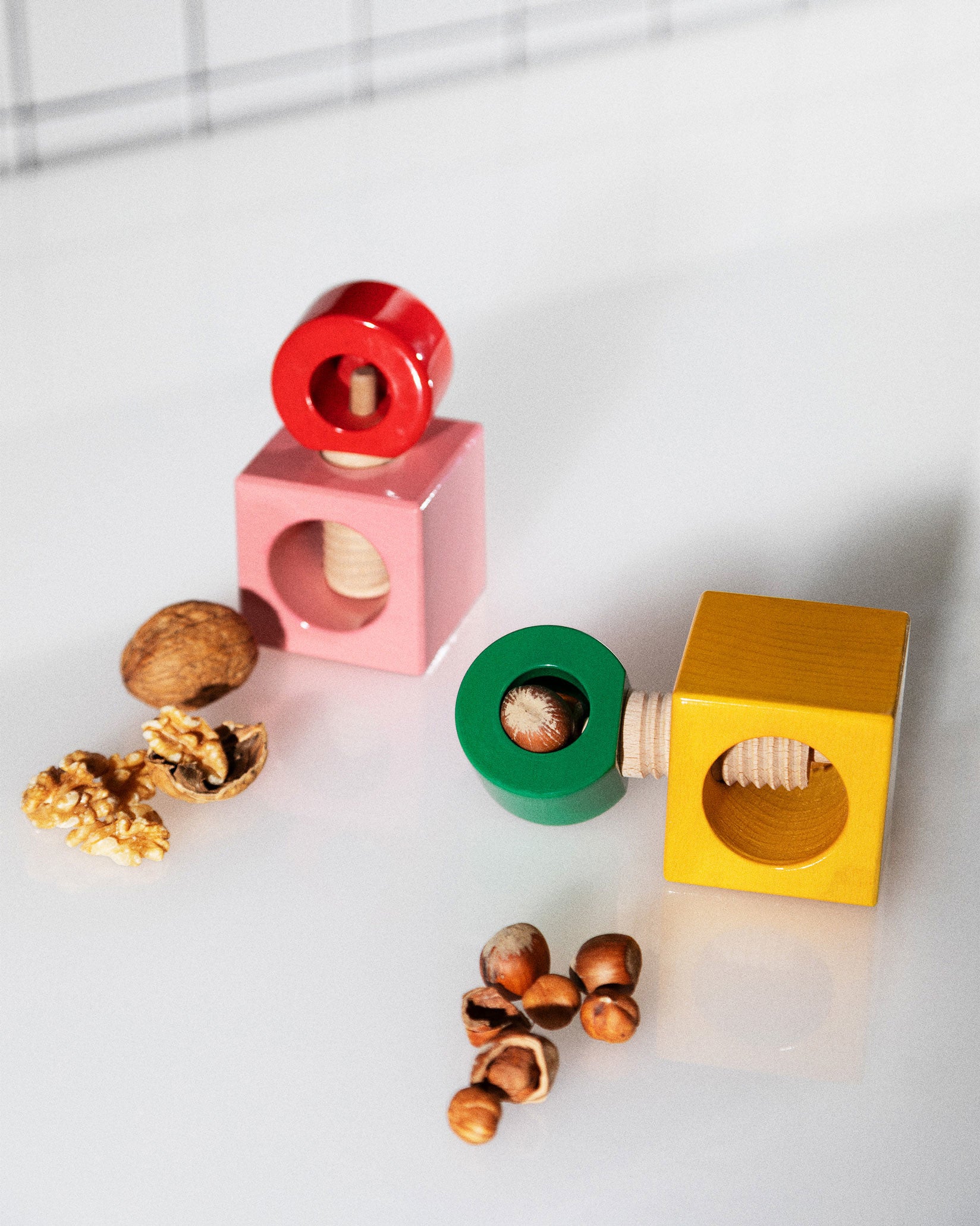
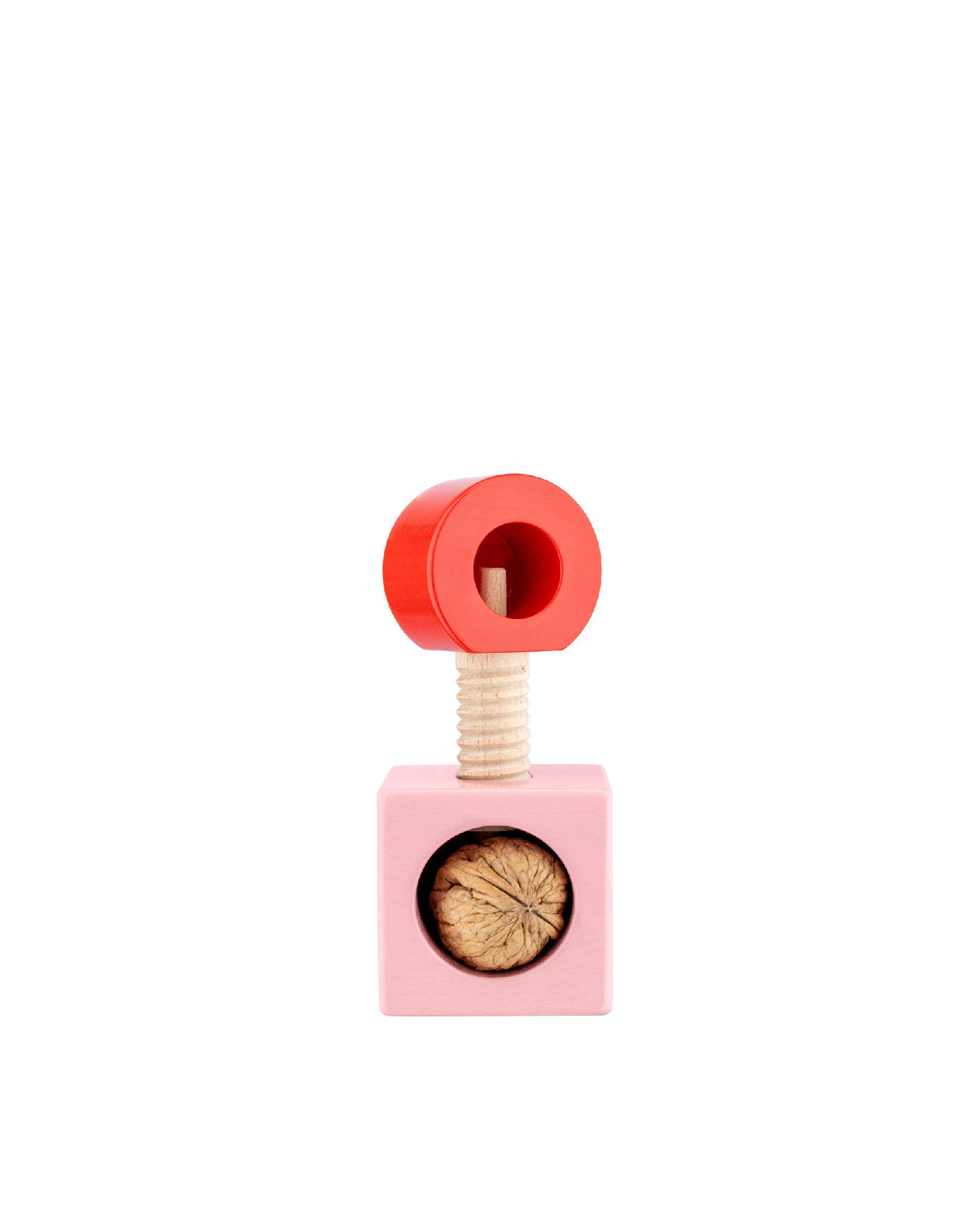
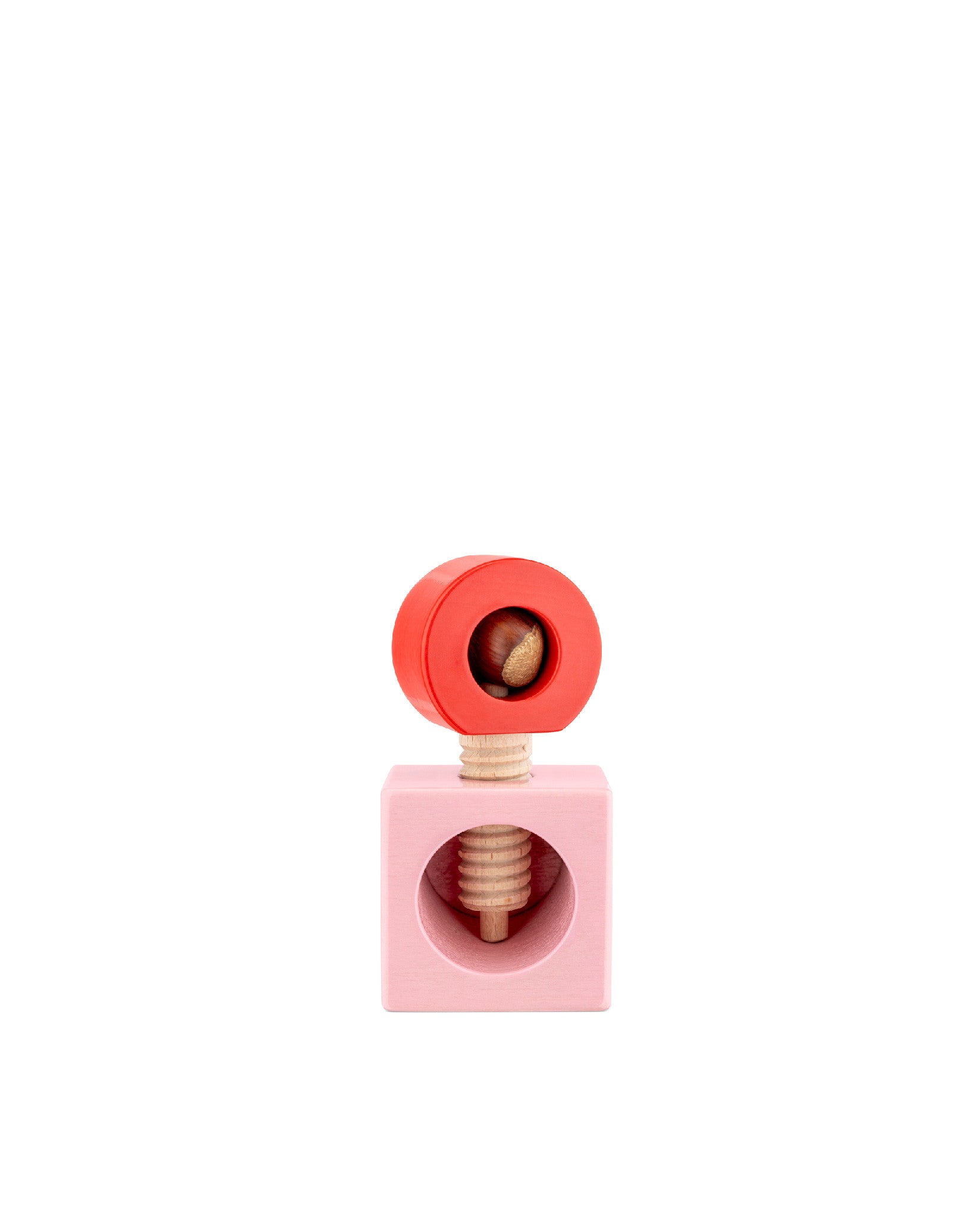
Nutcracker
Design Ettore Sottsass

Free shipping over 149 CHF

Free returns within 60 days

Gift Wrapping
Description
Year production started 2024
More information
Width (cm) 6.00
Height (cm) 11.00
Length (cm) 6.00
Code ES20 1
Made in
Italy
Services
Shipping from Italy Free shipping on orders over 149 CHF (depending on country)
60-Day Return Policy We offer one free return per order on alessi.com, to ensure maximum flexibility for your purchases.
Gift Wrapping Every gift is meticulously hand-wrapped by our team at our HQ in Italy during order preparation. You can select this option in your cart.
Direct brand support Contact our HQ team in Italy for specialized assistance. Live Chat available 24/7.


Hai bisogno di aiuto?
ES20
Nutcracker
CHF 70.00
You may also like


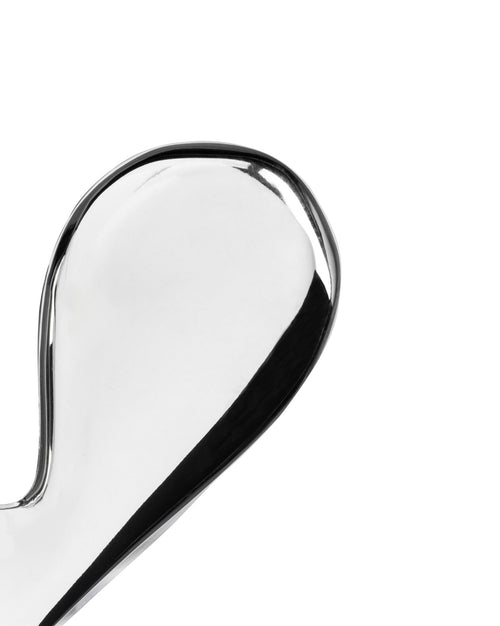
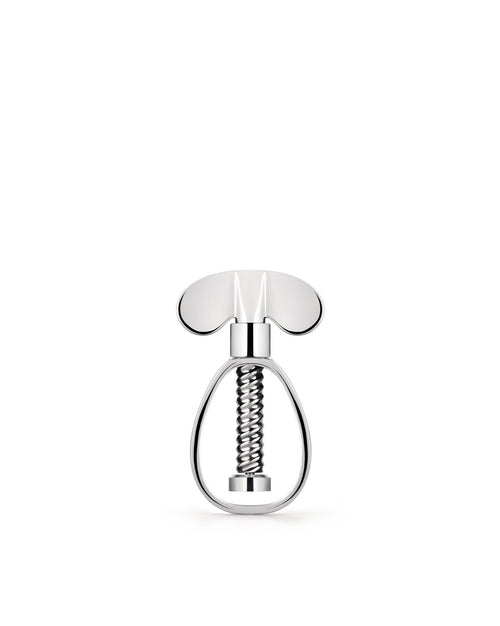
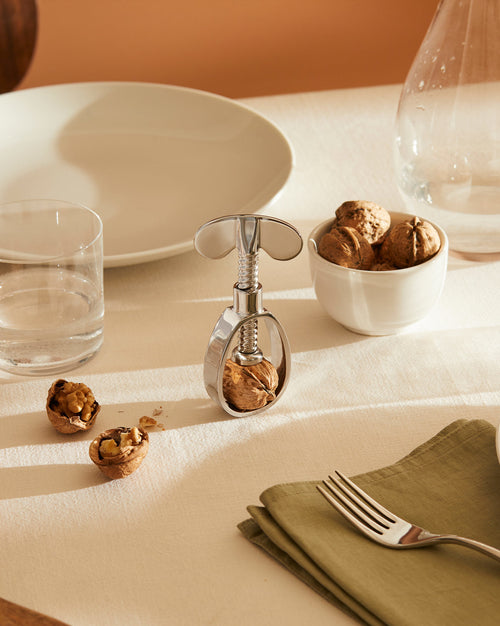
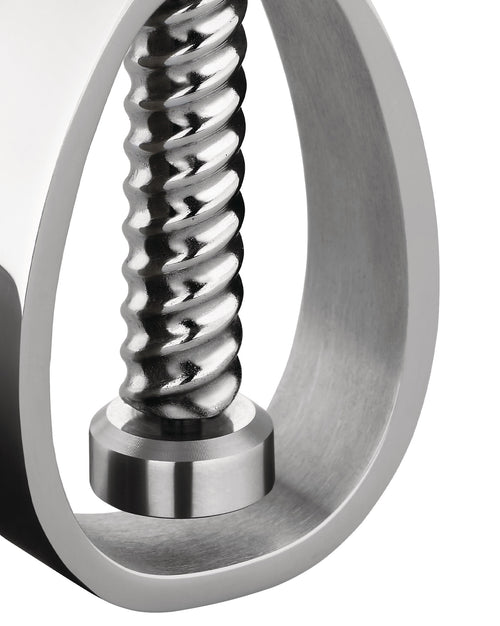
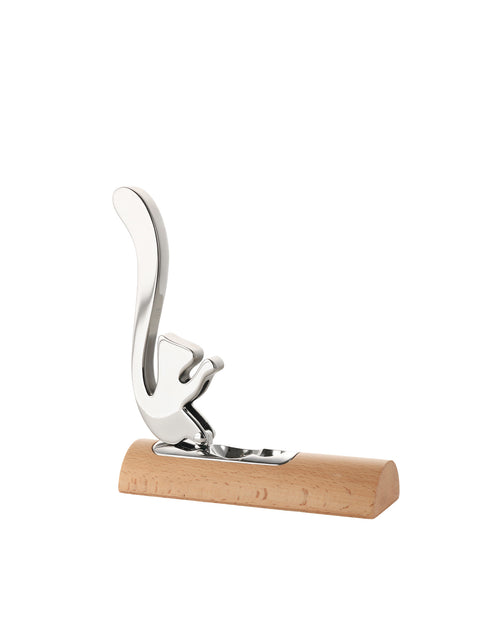
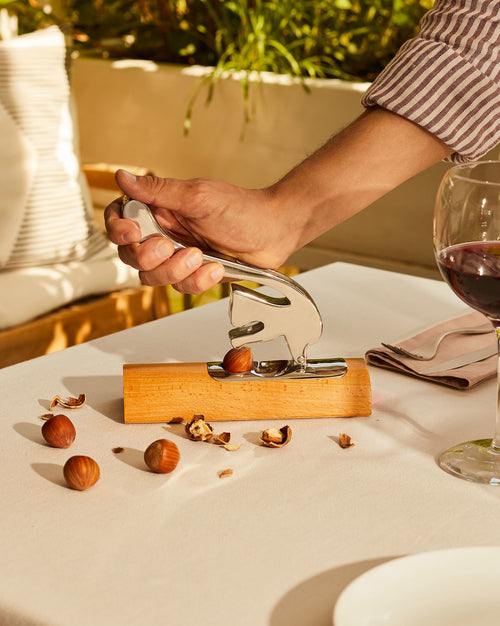

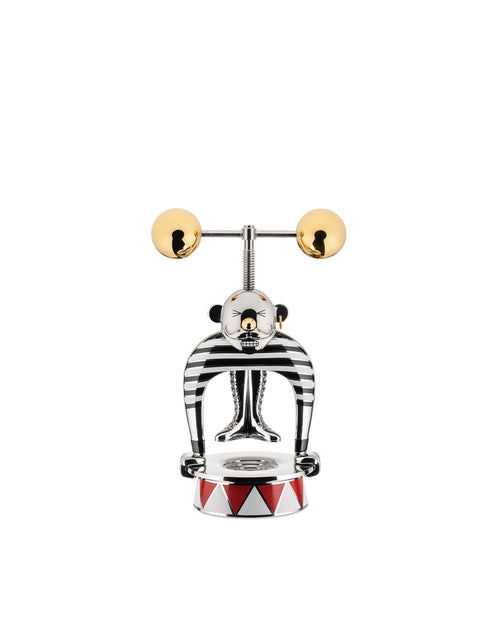
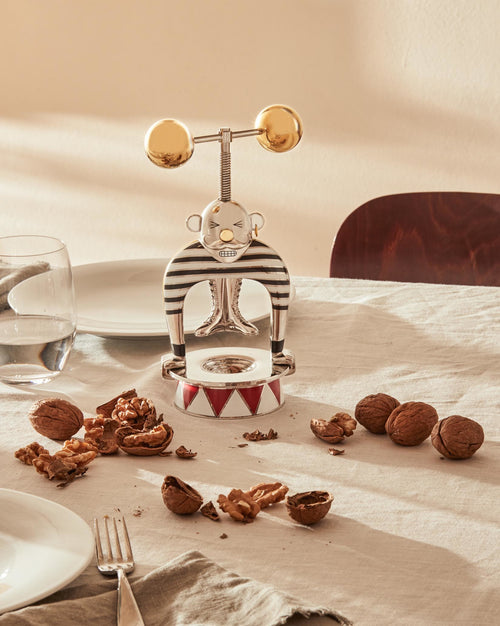
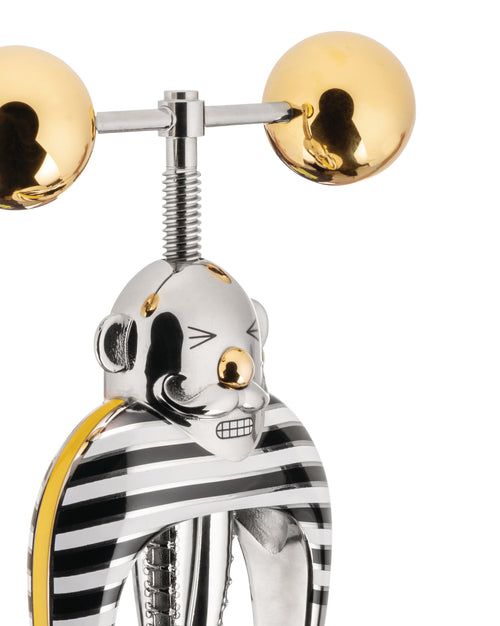
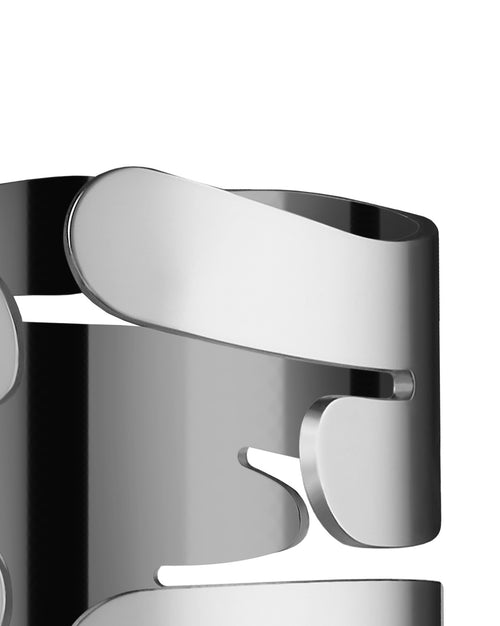
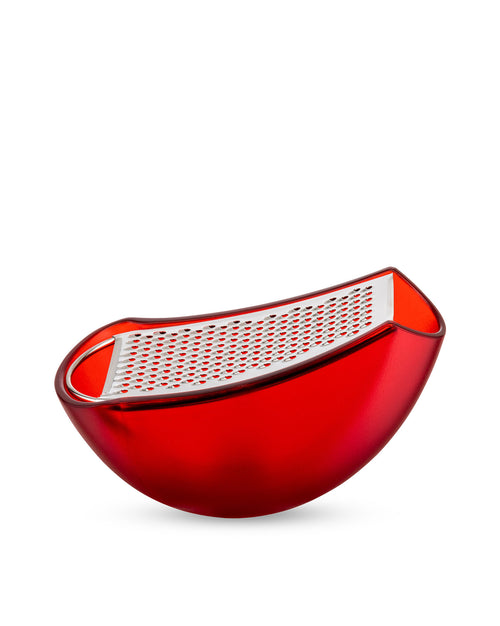

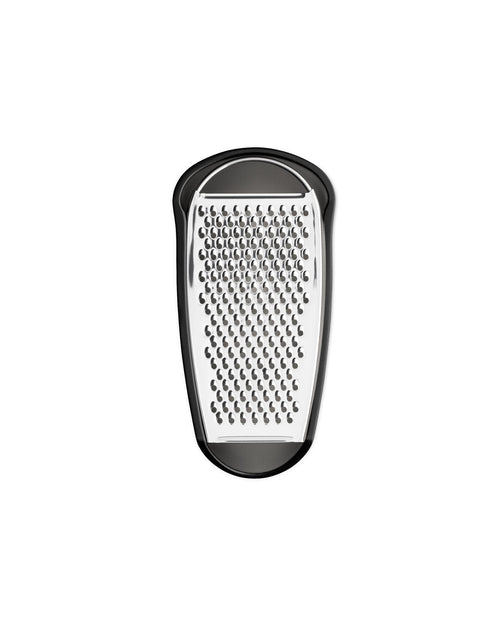
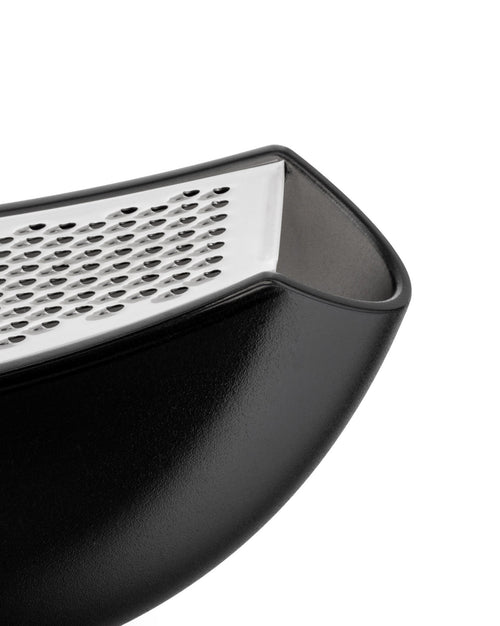
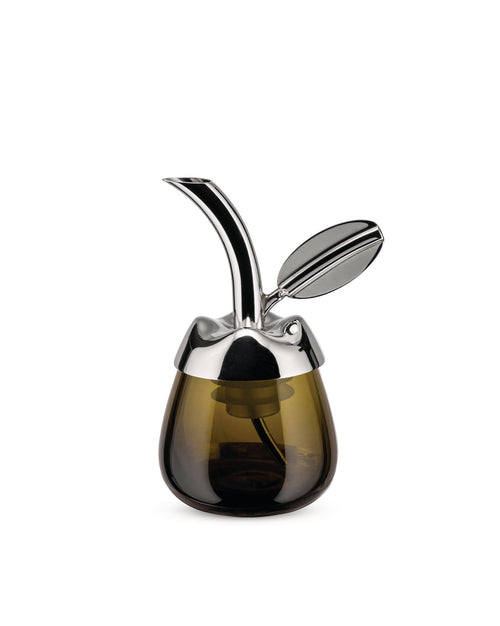
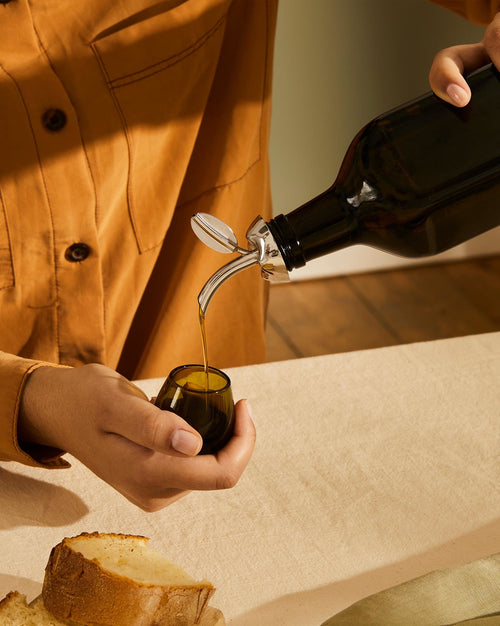


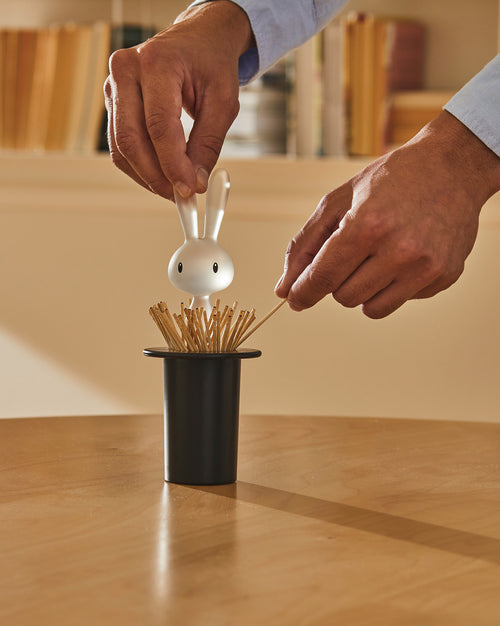
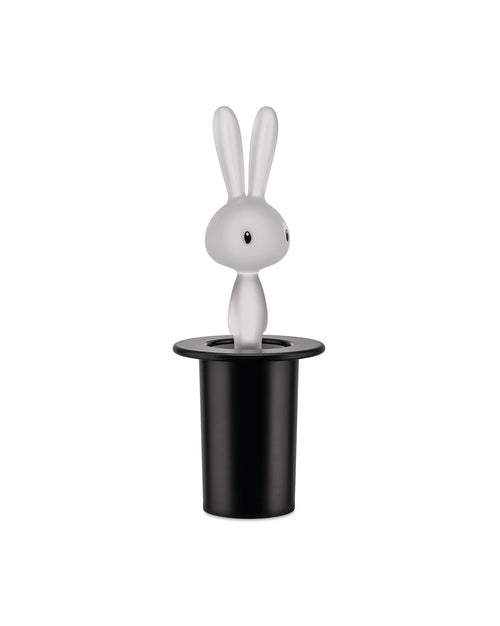
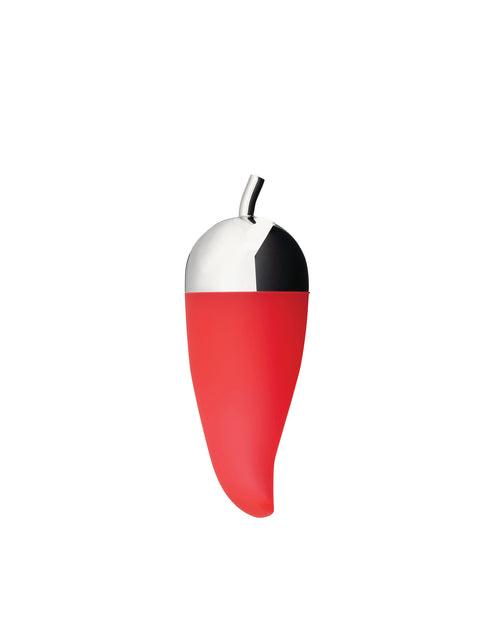

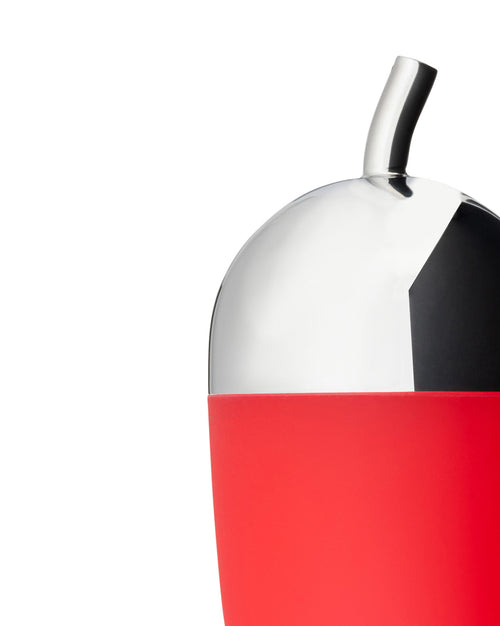
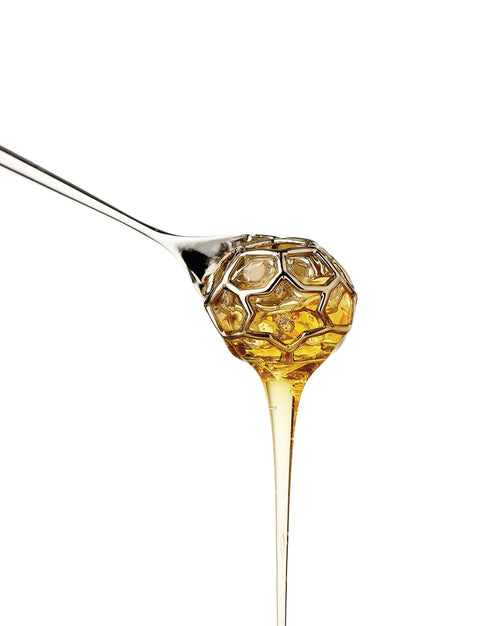
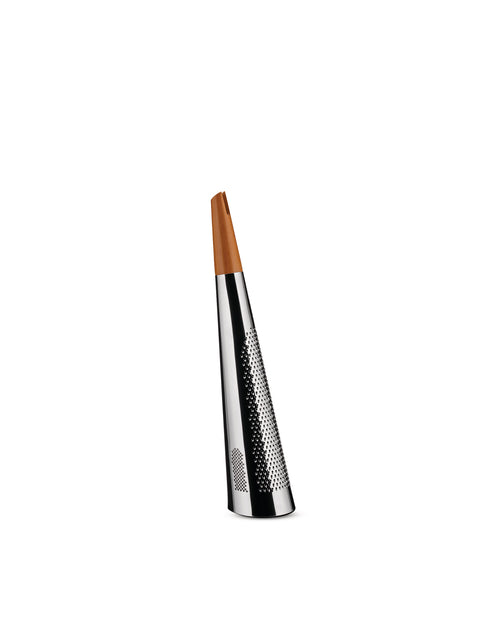
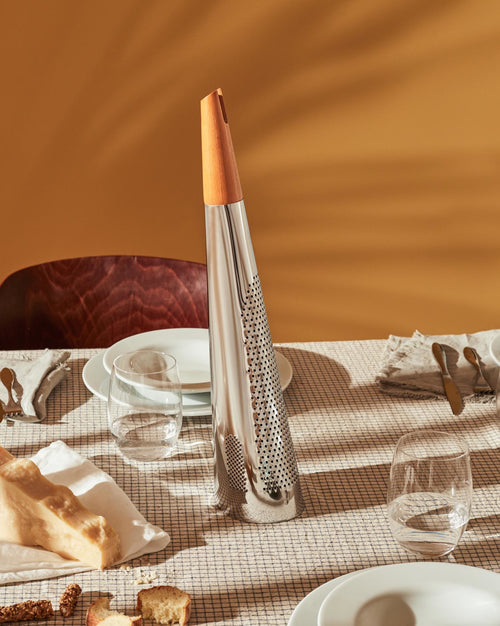
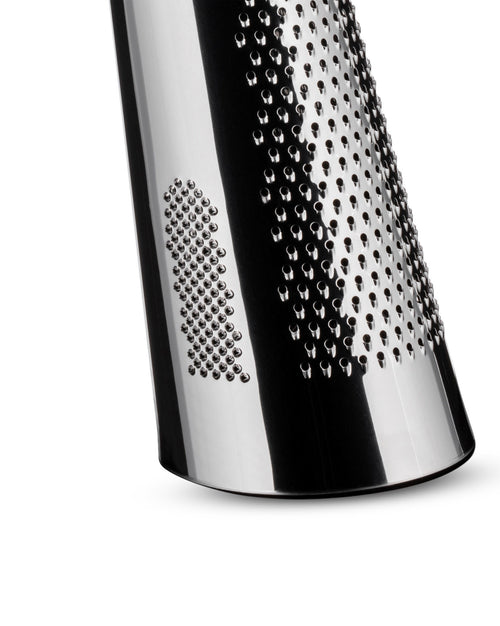
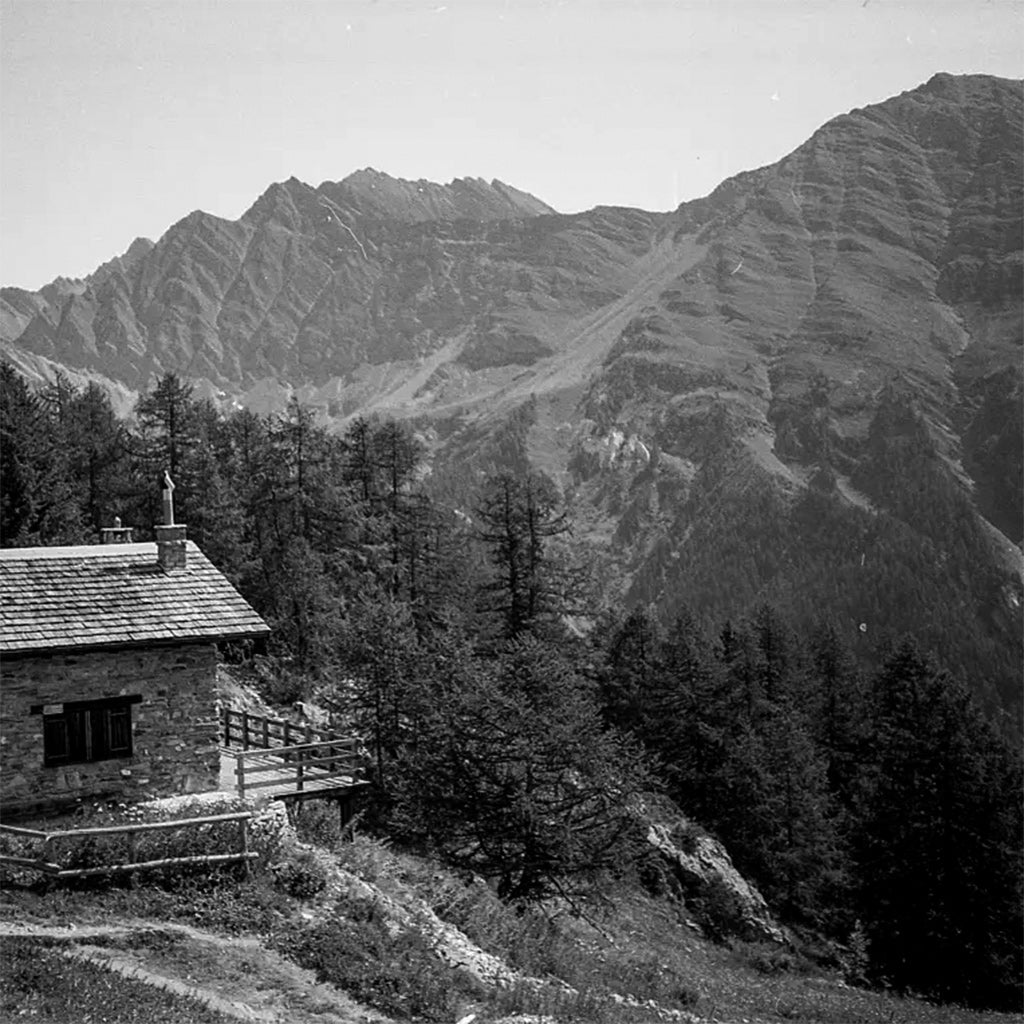


Designed in 1993, this nutcracker belonged to the Twergi collection, born out of a desire to revitalize the ancient tradition of woodturning, typical of the area where Alessi is based. Twergi means "leprechaun" in the ancient Walser dialect spoken in the mountains surrounding the company: according to belief, these creatures related to humans by doing mischief but also favors such as teaching how to use wood from the forests. Fascinated by the lathe, Ettore Sottsass and others created objects that still prove relevant today.
Twergi
All Time Favourites presents a series of small representative objects from the “Twergi” collection, created in 1989 from a desire to revitalise the ancient tradition of woodturning, typical of the territory in which Alessi is based. The name “twergi”, or “elf”, derives from the dialect spoken in the nearby valleys. In their dealings with humans, the “twergi” alternated between causing mishaps and giving a helping hand, which included teaching men how to make use of wood and other forest resources.
DiscoverFrom the archive

Historic photo of wooden object production in the Strona Valley

Original drawing by Milton Glaser for the Twergi logo, 1988

Photo from the catalog “Twergi. A new episode of the Alessi adventure”, 1990

Photo from the catalog “Twergi. A new episode of the Alessi adventure”, 1990